Welcome! Check out our latest blog and exciting news.
Read more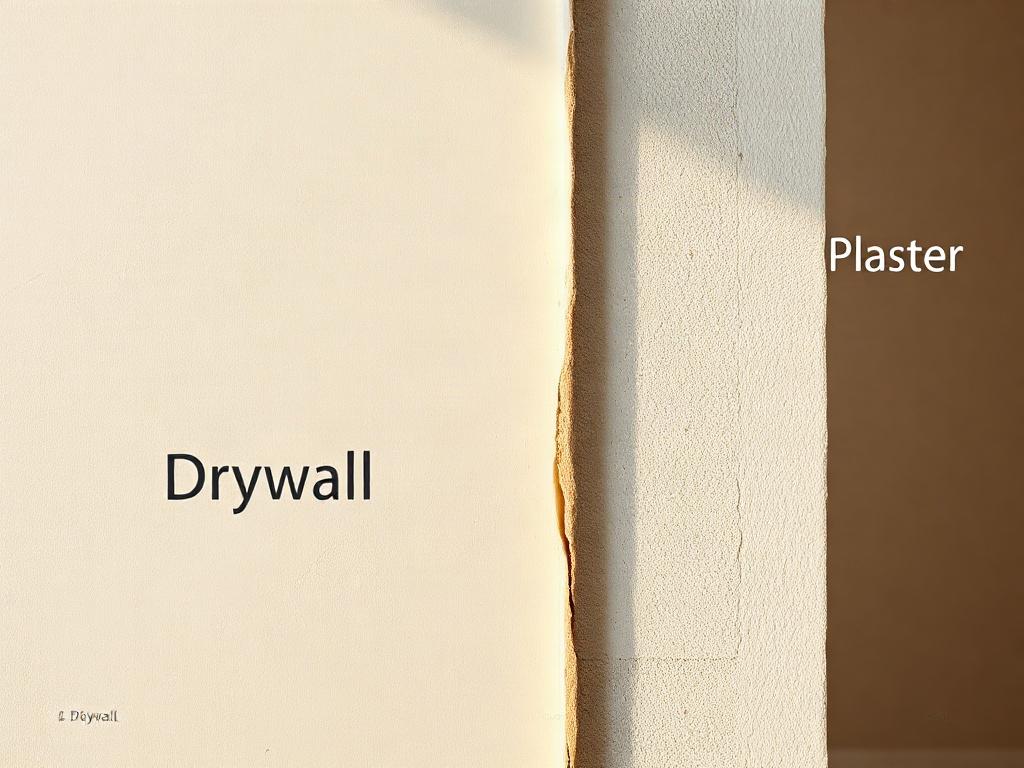
A hole in the wall might seem like a simple weekend project. Grab some patching compound, smooth it over the damaged spot, and add a fresh coat of paint. But if you've ever tried repairing an older wall and watched the patch crack or pull away, the material underneath might be the reason.
Drywall and plaster can look nearly identical once they're painted, but they're built differently. That affects how they respond to damage, which repair materials work best, and how much preparation the job requires. Before you start fixing a damaged wall, it helps to know what you're working with.
Drywall is common in modern homes because it installs quickly and is straightforward to repair. It consists of a gypsum core sandwiched between paper sheets. Contractors fasten the panels to wood or metal framing, cover the seams with joint compound and tape, and prepare the surface for paint.
Plaster walls are constructed differently. Traditional plaster is applied in layers over a supporting base, often wooden lath strips attached to the framing. The plaster hardens into a solid surface, creating a wall that's generally thicker and heavier than drywall.
Some older homes have plaster applied over metal mesh or other backing materials. Construction can vary by age and building method, which is why identifying the wall type matters before you start repairs.
You don't necessarily need to open up a wall to get a good idea of its material. A few clues can help you narrow it down, although no single sign is definitive.
Consider these differences:
Be careful when inspecting damaged areas, especially in older homes. Don't cut into a wall simply to identify the material, since older buildings may contain lead paint or other hazardous materials.
The materials may look similar after painting, but they don't always respond to the same repair methods. Using the wrong approach can leave a visible patch, create new cracks, or cause the repair to fail.
Small holes and shallow dents in drywall are often manageable with patching compound. After removing loose material, you can fill, smooth, and sand the damaged area once the compound dries.
Larger holes may need a drywall patch secured in place, followed by joint compound and reinforcing tape. The goal is to create a smooth transition between the repair and the surrounding wall. Proper sanding and priming matter because fresh compound can absorb paint differently than the existing surface.
Plaster requires a little more investigation because the visible crack may not tell the whole story. A small surface crack could be cosmetic, but loose or bulging plaster may indicate that the material has separated from its backing.
Loose sections need attention before you can patch the surface. Depending on the damage, a repair might involve securing the plaster, removing unstable material, or rebuilding part of the wall with an appropriate repair compound.
Simply spreading drywall joint compound over a larger plaster crack may not provide a lasting fix. If the underlying plaster is moving or pulling away, the crack can return even after the surface looks smooth.
Understanding the cause of wall damage helps you choose the right repair. Everyday wear, furniture impacts, and nail holes are common sources of minor damage in both drywall and plaster.
Cracks can be more complicated. Temperature and humidity changes, normal building movement, and settling can contribute to cracking. In plaster walls, deteriorating lath or failing connections between plaster and its backing can lead to loose sections.
Pay attention to the size and pattern of the damage. A small, isolated crack may only need a basic repair, while recurring cracks, widening gaps, or bulging areas deserve closer inspection. Also investigate water stains or soft, crumbling material before repainting, since covering the damage won't resolve the underlying moisture problem.
A small nail hole in drywall may be an easy DIY fix. Repairs become more challenging when the damage covers a large area, the surface keeps cracking, or you're unsure why the wall has deteriorated.
Consider professional help if you're dealing with:
A professional can identify the material, assess the damage, and recommend a repair method suited to the wall's construction. That can save time and help prevent repeated patching.
Knowing whether you have drywall or plaster helps you choose the right repair materials and understand what the job involves. Minor drywall damage may be manageable on your own, while deteriorating plaster or recurring cracks often call for a closer look.
If you're preparing to repair and repaint your walls, schedule a consultation with Mark Sweetman Painting today. Our team can discuss your project, help you plan the next steps, and work with you toward a smooth, professional-looking finish.
Stay updated on the latest colors and painting news!
Thank you for signing up!
Something went wrong. Please try again later.