Welcome! Check out our latest blog and exciting news.
Read more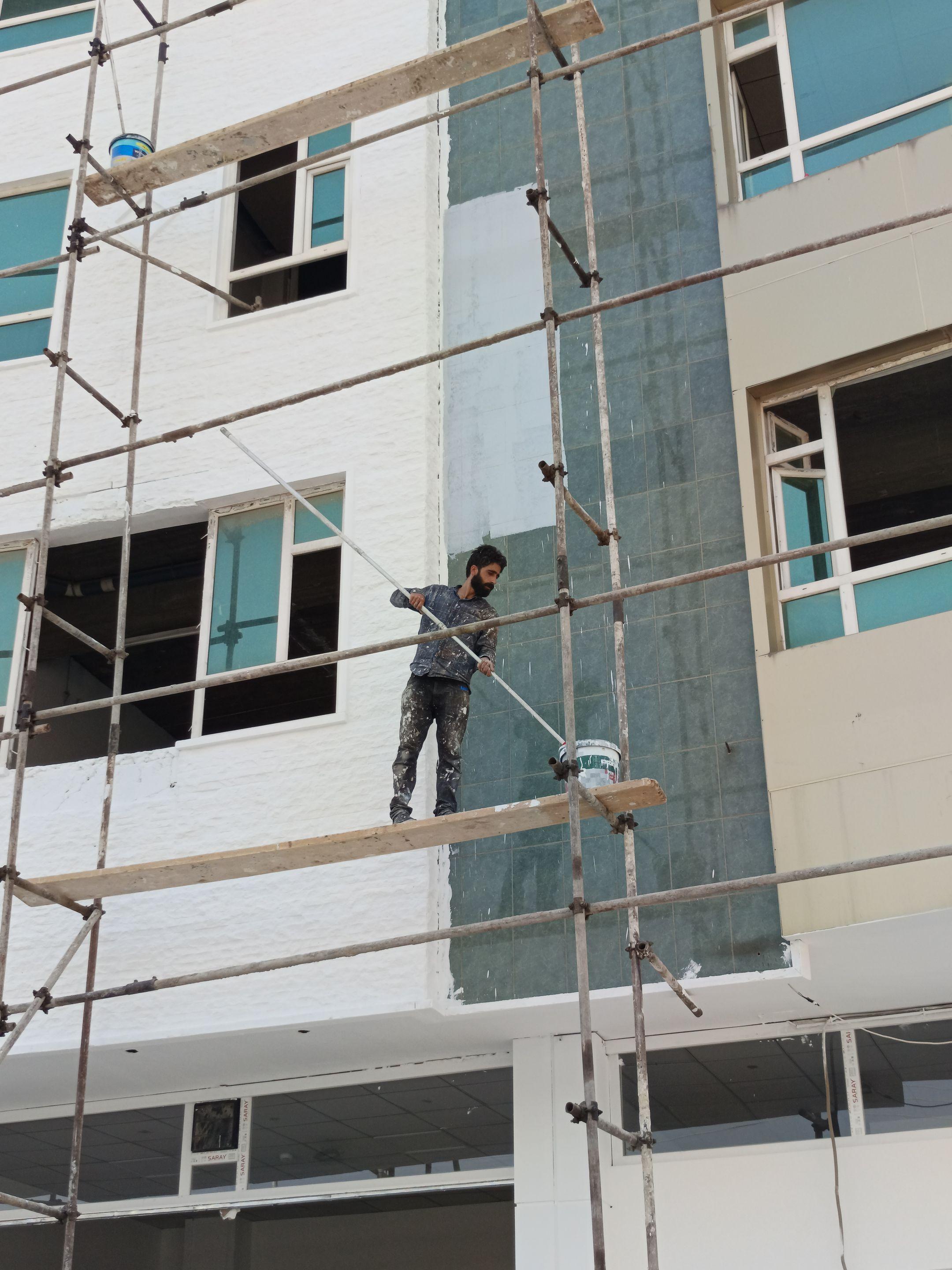
A commercial painting project can seem relatively straightforward from a budgeting perspective. Determine the square footage, choose a paint product, calculate labor, and set aside funds for materials.
Unfortunately, the final cost is rarely determined by paint and application alone.
The condition of the building, accessibility, operating schedule, and preparation requirements can all affect the scope of work. When these factors are not evaluated early, they can turn into change orders, delays, or unexpected expenses.
The line item most frequently underestimated—or left out altogether—is surface preparation and repair.
Understanding what preparation may involve can help property owners and facility managers compare estimates more accurately, avoid surprises, and select among commercial painting companies with greater confidence.
Paint is only the final layer of a larger system. Even a premium coating cannot perform as intended when applied over damaged, dirty, damp, or unstable surfaces.
Before painting begins, commercial walls, ceilings, trim, siding, and other surfaces may require:
Some of these needs are easy to identify during an initial walkthrough. Others only become visible after furniture is moved, wall coverings are removed, or loose paint is scraped away.
This is why a commercial painting estimate based only on square footage may not reflect the true scope of the project.
Commercial properties experience constant wear. Offices are rearranged, retail walls are bumped and marked, moisture enters around windows, and exterior surfaces remain exposed to changing weather.
Minor defects can accumulate quietly over time. Once a painting project begins, they become difficult to ignore.
For example, a wall that initially appears to need only a fresh coat of paint may contain:
Covering these issues without correcting them can produce an uneven finish and shorten the life of the new paint. Thorough preparation may add to the initial project cost, but it helps protect the larger investment.
Surface preparation is the most commonly missed category, but it is not the only factor that can affect a commercial painting budget. Several related expenses should be discussed before work begins.
Desks, shelving, displays, equipment, flooring, fixtures, and inventory may need to be moved or carefully covered.
The amount of protection required depends on the type of property. Painting an empty office suite is very different from working inside an operating restaurant, medical practice, retail store, or occupied office.
A thorough estimate should clarify who is responsible for moving items and preparing the work areas.
Many businesses cannot close during normal working hours. Painting may need to take place in stages, overnight, or on weekends to reduce disruption.
Alternative scheduling can affect labor costs, project duration, and crew availability. It is better to identify these requirements during planning than to introduce them after the project has started.
High ceilings, stairwells, atriums, exterior elevations, and difficult architectural features may require scaffolding, lifts, extension equipment, or additional safety measures.
These needs can significantly influence the cost of a project. Commercial painting companies should inspect access conditions before providing a final estimate whenever possible.
Not every surface can be covered with standard wall paint.
Commercial spaces may need stain-blocking primers, bonding primers, moisture-resistant coatings, washable finishes, corrosion-resistant products, or coatings designed for frequently used areas.
The least expensive paint is not always the most economical choice over the life of the finish. Product selection should reflect the surface, environment, maintenance needs, and expected level of traffic.
Changing from a dark color to a light one may require additional coats. Bright accent colors, deep bases, high-gloss finishes, and dramatic color transitions can also affect labor and material requirements.
Using several colors throughout a property may require more setup, cutting, cleanup, and coordination than applying one consistent palette.
Old materials, masking products, damaged drywall, paint chips, empty containers, and other project debris must be collected and handled properly.
A complete proposal should explain whether routine cleanup and disposal are included rather than leaving those responsibilities unclear.
The best way to avoid unexpected expenses is to define the scope before comparing prices.
Start with an onsite assessment. Give the contractor access to all areas included in the project, including mechanical rooms, storage spaces, stairwells, loading areas, and sections hidden by furniture or equipment.
Discuss known problems openly. Point out recurring leaks, past repairs, peeling areas, moisture concerns, or sections that have been difficult to maintain. These details help the painter recommend the appropriate preparation and coating system.
You should also request an itemized proposal that clearly addresses:
A detailed proposal makes it easier to compare contractors based on scope and value—not simply the number at the bottom of the estimate.
When reviewing proposals from different commercial painting companies, make sure each contractor is pricing the same project.
One estimate may include extensive patching, sanding, priming, and protection. Another may assume that the surfaces are ready for paint and include little more than application.
The second estimate may appear less expensive, but the difference could reflect an incomplete scope rather than genuine savings.
Ask each contractor what happens if hidden damage is uncovered. A professional should be able to explain how additional work will be documented, priced, and approved before it moves forward.
A commercial painting project should improve more than the immediate appearance of a property. It should also create a finish that can withstand the demands of the space.
Careful preparation supports better adhesion, cleaner lines, smoother surfaces, and more consistent coverage. It can also reduce the likelihood of premature peeling, cracking, or visible patchwork.
For property owners and facility managers, that means fewer interruptions and less need to repaint the same areas sooner than expected.
The most reliable commercial painting budgets account for what happens before the first finish coat is applied.
By including surface preparation and repair as a defined line item, you can build a more realistic budget, evaluate estimates fairly, and reduce the risk of unexpected costs during the project.
Mark Sweetman Painting provides commercial interior and exterior painting with an emphasis on detailed preparation, quality materials, and professional project coordination. Contact our team to discuss your property, assess its current condition, and receive a clear estimate for your commercial painting project.
Stay updated on the latest colors and painting news!
Thank you for signing up!
Something went wrong. Please try again later.